ByJohn A
AI in Smart Homes: Making Daily Life Easier
AI in smart homes promises to reduce chores and improve comfort through automation and contextual learning. Yet real-world value depends on choosing compatible platforms and devices, plus designing transparent, user-friendly automations. The balance between simplicity and capability matters for safety and reliability. With energy and fault tolerance in mind, the stakes are practical, not hype. The question remains: how far can this approach scale before it begins to feel intrusive or brittle?
What AI-Powered Smart Homes Actually Do for Daily Life
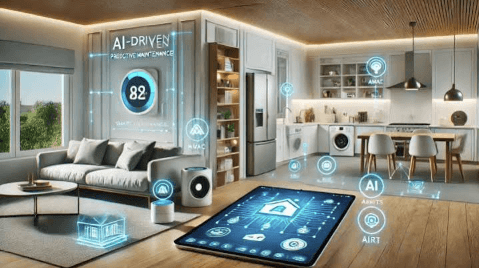
AI-powered smart homes automate routine tasks, reduce mundane chores, and streamline daily routines. They translate sensor data into actionable steps, anticipate needs, and adjust environments accordingly. This capacity relies on contextual learning to tailor responses while preserving user autonomy. Yet privacy tradeoffs arise as continuous monitoring expands. Caution is warranted: users should understand data flows, control options, and consent boundaries to maintain freedom.
Choosing the Right Platform and Devices for Your Goals
Selecting the right platform and devices aligns with specific goals, budget, and existing ecosystems. The choice hinges on platform selection, device compatibility, and future expandability, avoiding vendor lock-in.
Clear automation design emerges from compatible modules and open standards. Consider fault tolerance metrics, ensuring reliable operation during outages. A balanced approach respects freedom, avoids overcommitment, and prioritizes interoperability over novelty.
Designing Intuitive Automations That Feel Effortless
Designing intuitive automations requires a careful balance between capability and simplicity, building on the platform and device choices outlined previously while ensuring the system remains approachable in daily use.
The objective remains clear: enable intuitive feedback and tactile automation, where users perceive reliability, respond to subtle cues, and avoid deliberate effort.
Caution guides design toward predictable, nonintrusive, user-empowering routines.
Measuring Value: Energy, Safety, and Fault-Tolerance in Practice
Measuring value in smart homes hinges on practical, quantifiable outcomes: energy use, occupant safety, and system fault-tolerance. Energy savings emerge from optimized schedules and responsive controls, while safety gains rely on predictable alarms and robust monitoring.
Fault tolerance remains essential: diverse power and communication paths, graceful degradation, and transparent diagnostics. Clear metrics enable informed choices, fostering freedom through reliable, minimal-risk automation.
Frequently Asked Questions
How Secure Is My Data in a Smart Home Setup?
Data ownership varies by provider and policy, and device authentication often hinges on strong credentials and regular updates. He or she should demand transparent protections, insist on robust encryption, and maintain personal control to preserve freedom and security.
Can AI Routines Adapt to My Changing Routines?
Adaptive routines can adjust to changing schedules with routine customization, though users should proceed cautiously. The system offers flexible options, yet freedom requires monitoring implications, ensuring updates, and balancing automation with personal autonomy in daily decisions.
Do Smart Homes Work During Internet Outages?
“Like a ship without sails,” smart homes struggle offline; during internet outages they may operate limitedly if devices support offline mode. However, offline operation is unreliable, and backup power challenges compound risks for consistent functionality and safety.
How Do I Protect Privacy With Voice Assistants?
Privacy controls and data minimization help protect privacy with voice assistants. The detached observer notes users should enable local processing where possible, review microphone permissions, and regularly audit connected services, emphasizing cautious use and freedom from pervasive data collection.
See also: rarefiedtechcom
What Costs Are Involved Beyond Upfront Purchases?
Costs include ongoing maintenance, subscription fees, and potential data privacy protections. Pricing models vary by vendor, with monthly or annual plans. Users should consider long-term costs, scalability, and the need for security updates to preserve freedom and control.
Conclusion
In the end, AI-powered homes quietly weave convenience into daily life, aligning routines with human intent. The coincidence of sensor whispers and user needs—lighting brightening as a door opens, climate nudging toward comfort when a room fills with people—rouses cautious optimism. Yet the story remains grounded: choose platforms deliberately, design intuitive automations that respect autonomy, and monitor energy, safety, and reliability. The result is clear: smarter living, responsibly, without surrendering control.